
Tile Adhesive C3
High-Performance Cementitious Tile Adhesive for Ceramic, Porcelain, Large Panels and Sintered Stone
A high-bond, low-shrinkage cement-based tile adhesive built on high-belite calcium sulphoaluminate clinker and GGBFS, supplied as a graded series (C3 / C3T / C3E / C3TE / C3TES1) for slip resistance, extended open time and deformability.
Product Positioning
- Cement-based dry-mix tile adhesive
- High, durable bond and low shrinkage
- Graded models: C3 / T / E / TE / TES1
- Ceramic, porcelain, large panels, sintered stone
Product Overview
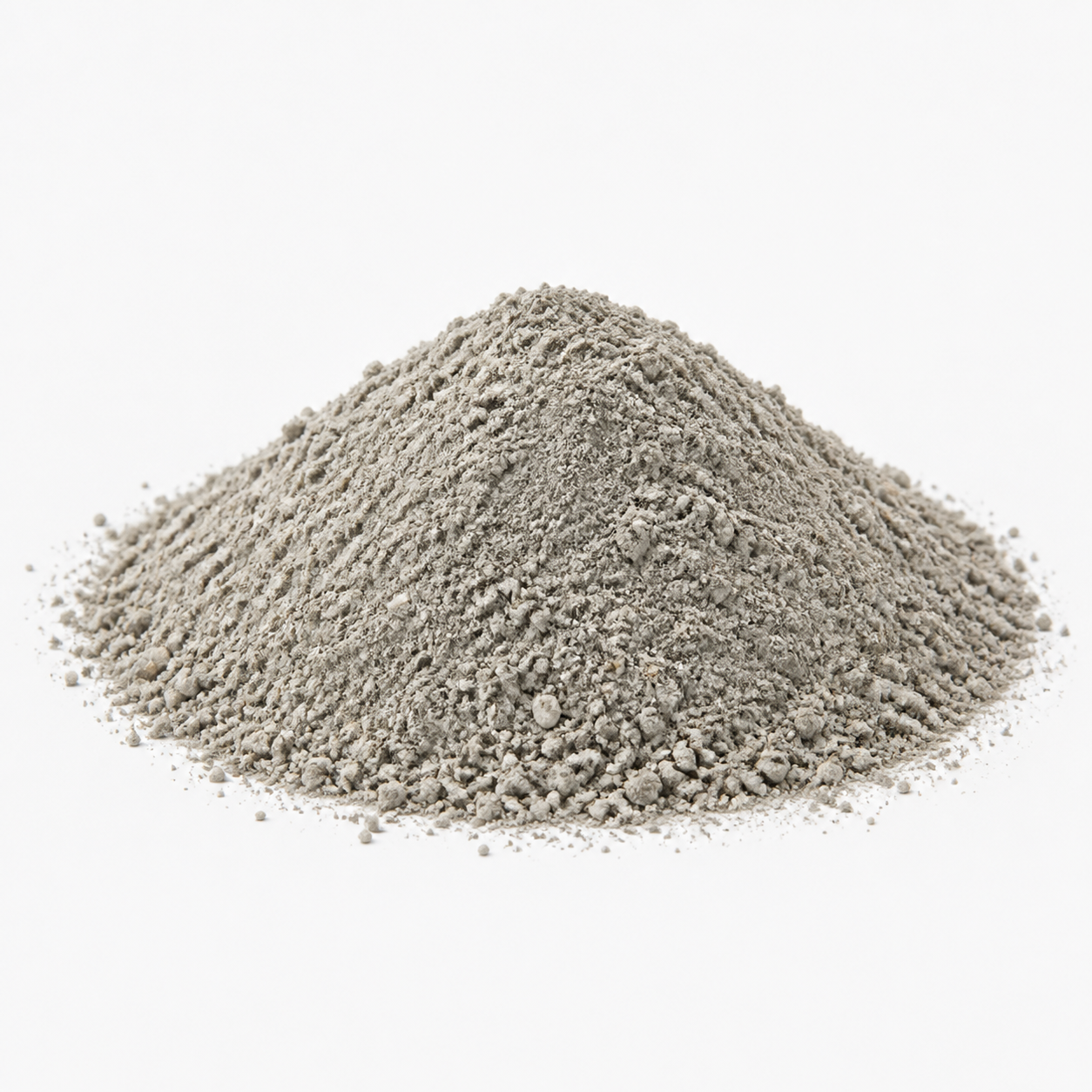
Quick answer: Tile Adhesive C3 is a high-performance cement-based tile adhesive made from high-free-lime belite calcium sulphoaluminate clinker, gypsum, ground granulated blastfurnace slag (GGBFS), sand and additives. Mixed with water on site it forms a dense bonding network dominated by needle-like ettringite (AFt) and C-S-H gel, giving high, durable bond with low shrinkage. Typical data (Q/TBJX 39-2026): tensile bond ≥2.0 MPa (standard, after immersion and after freeze-thaw), ≥1.5 MPa after heat ageing, ≥0.8 MPa after ≥20 min open time, 28-day compression ≥15.0 MPa, flexure ≥5.0 MPa and shrinkage ≤0.18%. Models C3 / C3T / C3E / C3TE / C3TES1 add slip resistance (T), extended open time (E) and deformability (S1). Note: “C3” is a company grade defined in Q/TBJX 39-2026, not a class from JC/T 547 – specify the standard, model and design requirements together.
Tile Adhesive C3 is designed for durable large-format work: bond is assessed not just as initial strength but as retention after water immersion, freeze-thaw and heat ageing, while the low-shrinkage design controls adhesive-layer movement and cracking. GGBFS as a key component raises industrial by-product utilisation and reduces reliance on ordinary Portland cement, with the actual low-carbon benefit set per project boundary and LCA.
Model selection follows tile size, substrate, location, climate and logistics. Lab values are for grading and conformity; site safety also depends on substrate strength, tile-back condition, real contact area, adhesive thickness, joint design, environment, curing and service load. High bond does not replace detailing and structural design.
Key Features
High, durable bond
Tensile bond ≥2.0 MPa in standard, immersion and freeze-thaw conditions and ≥1.5 MPa after heat ageing – retention after water, temperature and freeze-thaw, not just initial bond.
Low shrinkage and stability
28-day shrinkage ≤0.18% with defined flexural and compressive strength, controlling adhesive-layer movement and cracking for durable large-format work.
Graded model series
C3 / C3T / C3E / C3TE / C3TES1 meet slip resistance, longer open time and lateral deformability, selected by tile size, substrate, location and climate.
Extended open time option
Class E keeps bond ≥0.5 MPa after ≥30 min open time for large areas and hot, dry or slow work where a longer window is needed.
Large panels and sintered stone
Designed for back-buttered, de-aired bedding of heavy low-absorption panels, where full effective contact – not a thicker layer – controls hollows and load.
Lower-carbon approach
GGBFS as a key component raises by-product utilisation and reduces reliance on ordinary cement; the actual benefit is set per project boundary and LCA.
Typical Applications
Ceramic and Porcelain Tiles
Large-Format Panels
Sintered Stone
Interior Walls (Anti-Sag)
Commercial and Public Floors
Exterior Facades
Pools, Showers and Wet Areas
Lobbies and High-Traffic Areas
Typical Technical Data
Base performance requirements per Q/TBJX 39-2026. All models meet the same base performance; T / E / S1 add the special indicators shown below.
| Property | Requirement |
|---|---|
| Product code / standard | C3 / Q/TBJX 39-2026 |
| Composition | High-free-lime belite CSA clinker, gypsum, GGBFS, sand, additives |
| Tensile bond | ≥2.0 MPa |
| Tensile bond after immersion | ≥2.0 MPa |
| Tensile bond after freeze-thaw | ≥2.0 MPa |
| Tensile bond after heat ageing | ≥1.5 MPa |
| Bond after ≥20 min open time | ≥0.8 MPa |
| 28 d compressive strength | ≥15.0 MPa |
| 28 d flexural strength | ≥5.0 MPa |
| 28 d shrinkage | ≤0.18% |
Substrates for bond tests conform to GB/T 41059; flexural / compressive specimens and curing per the enterprise standard. Values are for grading and conformity, not a substitute for site detailing and design.
Model Selection (Special Indicators)
“Yes” = the model must also meet that added indicator; “-” = not required. All models share the same base performance above.
| Special indicator | C3 | C3T | C3E | C3TE | C3TES1 |
|---|---|---|---|---|---|
| Slip resistance (T): slip ≤0.5 mm | – | Yes | – | Yes | Yes |
| Extended open time (E): bond ≥0.5 MPa after ≥30 min | – | – | Yes | Yes | Yes |
| Deformability (S1): transverse deformation ≥2.5 mm | – | – | – | – | Yes |
Typical selection: indoor stable base / standard tile – C3; interior walls / anti-sag – C3T or C3TE; large area or hot-dry / slow work – C3E or C3TE; large panels and sintered stone – C3TE or C3TES1; exterior and pools / wet areas – C3TES1 (with matched, cured waterproofing and detailing).
Consumption Guide
Estimate by a representative panel; record area and actual powder used and add reasonable wastage. Never cut necessary contact area to save material.
| Condition | Estimate | Main drivers |
|---|---|---|
| Small / medium tile, flat base, one-side | ≈3-5 kg/m2 | Notch, back profile, bedding |
| Medium / large tile, double-butter | ≈5-8 kg/m2 | Base deviation, back-butter amount |
| Panels / strict full coverage | ≈6-10 kg/m2 or by panel | Warp, special layer design |
Directions for Use
- Confirm model, batch, validity and project spec; check that the substrate is sound, clean, stable, flat and at the correct moisture state, and check tiles and environment.
- Add water then powder at the labelled ratio; low-speed mix to a uniform lump-free paste, slake as required and briefly re-mix – no retempering or foreign additions.
- Key a thin contact coat with the flat edge, then comb even, one-directional ribs with the chosen notch; place tiles within the open time.
- Back-butter for large panels, exterior, wet areas and high load; bed the tile across the ribs so they collapse in sequence and air escapes to the edge.
- Adjust level, flatness, plumb and joint width promptly and clean off excess; keep tile, perimeter, field and movement joints per design – never rigidly filled.
- Cure per the project and protect from traffic, vibration, immersion, freezing and rapid drying; never re-wet or reuse skinned or over-time adhesive.
Not directly suitable (without a proven matched interface system): loose, dusting, oily, condensing or continuously wet substrates; timber, metal, glass, plastic or old organic coatings; using the adhesive as thick leveling or spot-fixing instead of full contact; and areas with active cracking, bridged movement joints or sustained vibration without special detailing.
Packaging and Storage
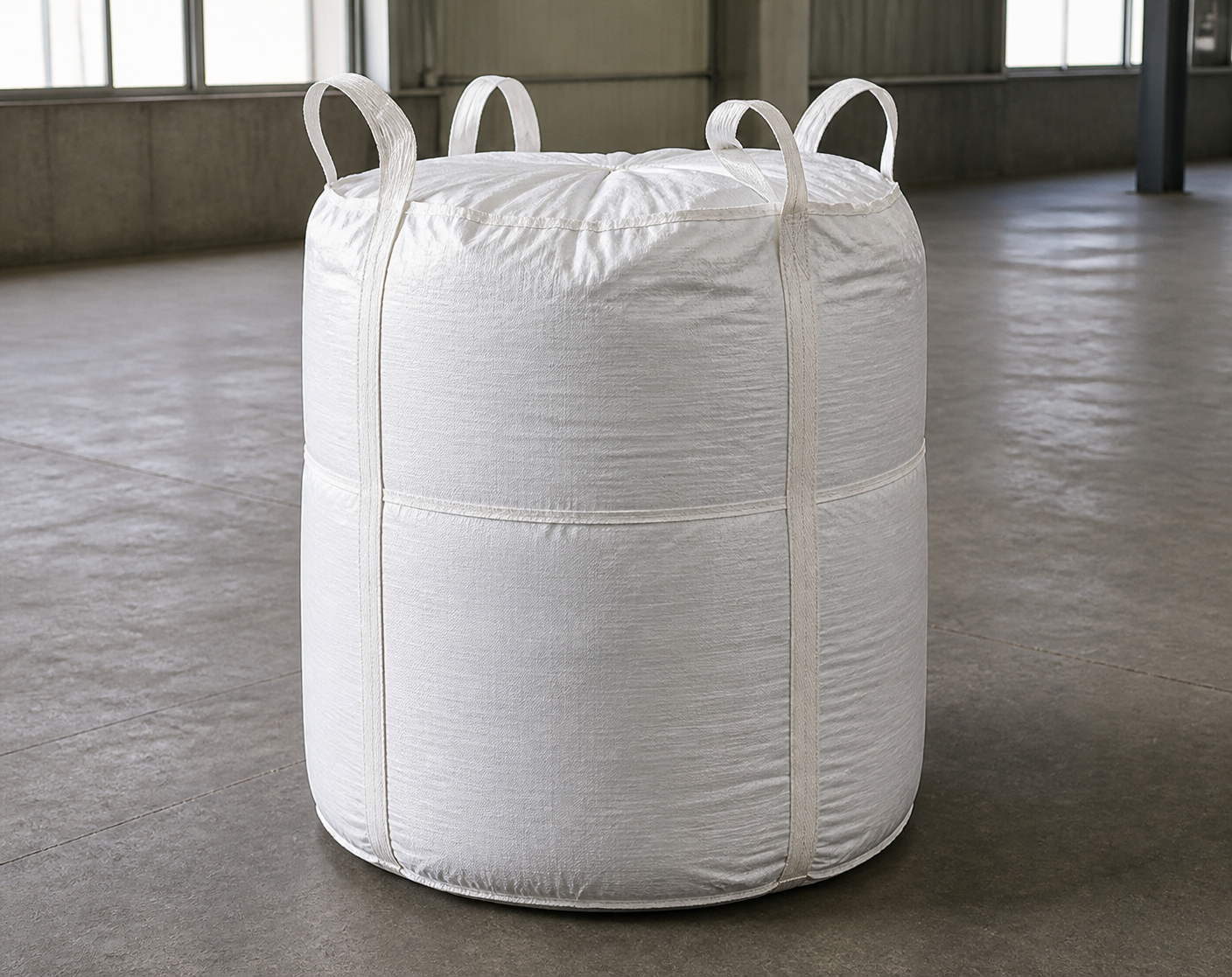
Supplied in moisture-resistant composite bags conforming to GB/T 9774, with net content per JJF 1070; other forms by agreement. Store types separately with clear labels, protect from rain, damp, damage and contamination, and keep ventilated and off the ground. Shelf life is per the producer’s label and manual from the production date; retest expired or damp product before use. Packaging, palletizing and export documentation can be confirmed by order quantity, shipping method and buyer handling requirements.
Related Products
Dry Mix Mortar Premix
View RangeAnti-Crack Self-Leveling Compound
View ProductLow-Shrinkage UHPC Premix
View ProductAirport Runway Repair Material
View ProductCSA Cement
View ProductCSA Binder
View ProductRelated Solutions
Crack Control and Waterproof Mortar
View SolutionSetting Time Control
View SolutionSelf-Leveling Compound
View SolutionCustomized Mortar Solution
View SolutionFAQ
Is C3 the same as a JC/T 547 “C3” class?
No. Here “C3” is a company grade defined in Q/TBJX 39-2026, not a class from JC/T 547. Always specify the full standard, model (C3 / C3T / C3E / C3TE / C3TES1) and design requirements together rather than “C3” alone.
Which model should I use for large panels or exterior work?
Large panels and sintered stone typically use C3TE or C3TES1; exterior facades and high thermal-humidity swing prefer C3TES1, with special design of the base, joints, details and safety. Back-buttering, mechanical handling and de-airing are essential.
Can it be applied over any substrate?
No. The base must be sound, clean, stable, flat and at the correct moisture state. It is not directly suitable for loose, oily or continuously wet substrates, or for timber, metal, glass and plastic, unless a matched interface system is proven by sample.
Request Tile Adhesive C3 Information
Send us your tile and panel size, substrate, location (interior / exterior / wet area), climate and required models. We will suggest a suitable C3 / T / E / TE / TES1 model and datasheet for sample discussion and testing.
Send Your InquiryMechanism Explanation
Tile Adhesive C3 should be evaluated as a complete bonded-tile system. On mixing, the high-belite calcium sulphoaluminate binder hydrates rapidly to form a composite structure dominated by needle-like ettringite (AFt) and C-S-H gel, giving a continuous dense bonding network with high body strength and interfacial bond, while the low-shrinkage design reduces interfacial stress from long-term movement. Real bond performance also depends on substrate strength, tile-back condition, effective contact area, adhesive thickness, notch and back-buttering, joint design, environment and curing. For large panels and sintered stone, edge-only pressure or spot-fixing leaves un-collapsed ribs and trapped air in the centre – the key is a flat base, correct spreading, back-buttering and a de-airing bedding path, not simply a thicker adhesive layer.
Additional FAQ
Does the datasheet strength guarantee the tiles will not debond?
No. Laboratory values are for grading and conformity. Site durability also depends on substrate preparation, real coverage, joint and movement-joint design, waterproofing compatibility, environment, curing and service load. Lift-check the first tiles and on any change of batch, base, tile or environment.
What information should I provide before requesting samples?
Please send your tile and panel type and size, substrate type and condition, location (interior, exterior, pool or wet area), climate, expected loads and any special performance needs, plus packaging requirement and destination market.