
Anti-Crack Self-Leveling Compound
Thick Cementitious Self-Leveling Flooring, 5-150 mm, Rapid or High-Strength
A factory pre-mixed, crack-resistant self-leveling floor compound based on high-belite calcium sulphoaluminate cement, supplied as a series by thickness (Type I / II), early-strength need (Grade R / H) and design strength (C25-C90 / F4-F12).
Product Positioning
- Factory pre-mixed flooring compound
- Anti-crack, high-strength, abrasion resistant
- Type I 5-25 mm / Type II 25-150 mm
- Grade R rapid / Grade H high-strength
Product Overview
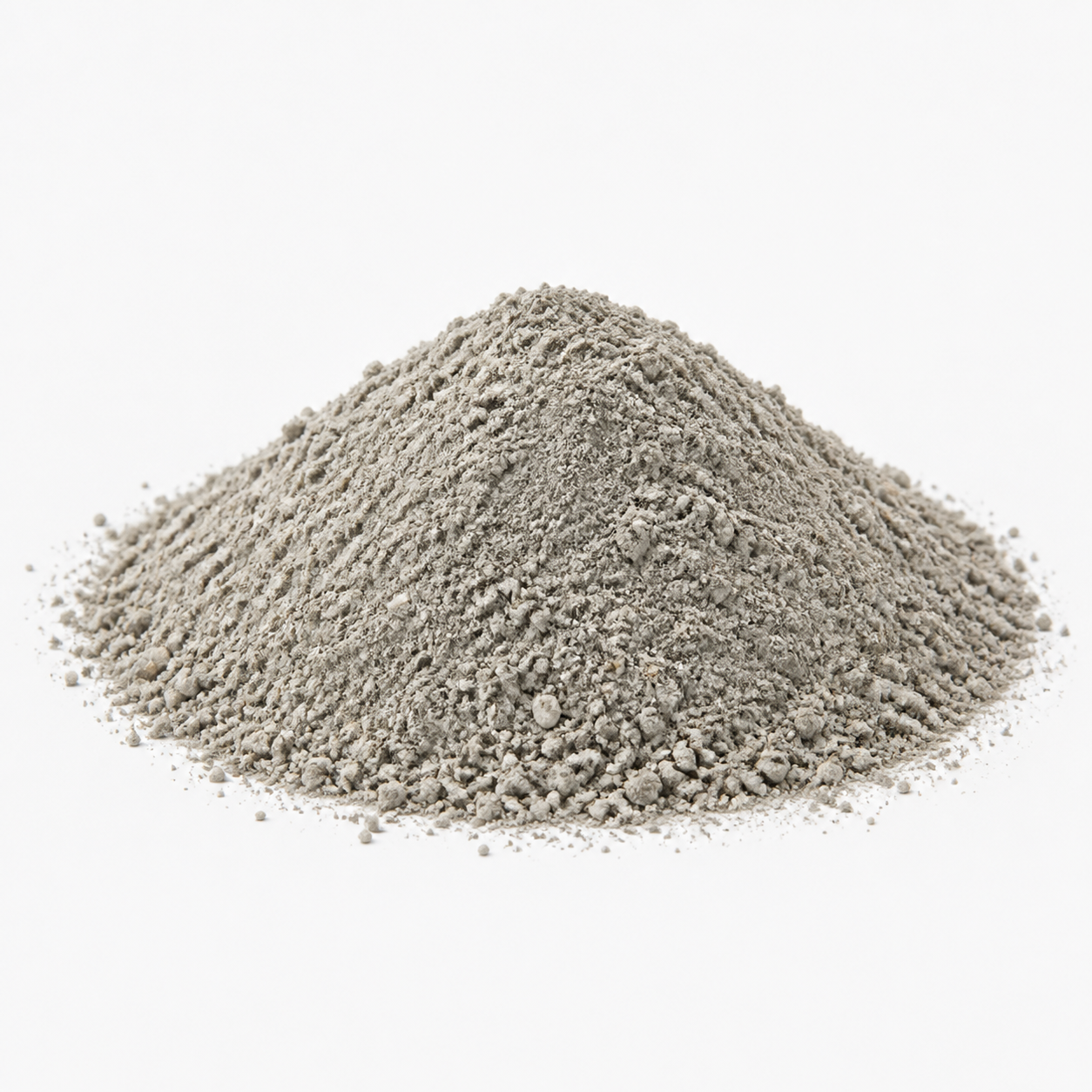
Quick answer: Anti-Crack Thick Cementitious Self-Leveling Compound is a factory pre-mixed flooring material based on anti-cracking rapid-hardening high-belite calcium sulphoaluminate cement (or white anti-cracking GGBFS sulphoaluminate cement), aggregate, filler and additives. With the specified water it self-levels, or flows level with light assisted spreading, and is designed for crack resistance, high strength, abrasion resistance and corrosion resistance. It is supplied as a series: Type I for 5-25 mm and Type II for 25-150 mm, in Grade R (rapid) and Grade H (high-strength), across compressive grades C25-C90 and flexural grades F4-F12. Typical requirements (Q/TBJX 37-2025): initial mortar flow 130 mm, dimensional change -0.10% to +0.10% (Type I) or 28-day shrinkage ≤0.04% (Type II), tensile bond ≥1.5 MPa and abrasion ≤400 mm3. Order by full designation (for example SL-I-R-C25-F4), not by “C grade” alone.
The compound combines the high-belite sulphoaluminate binder, functional regulating components and multi-graded aggregate to control volume change while remaining flowable. Grade R emphasises early strength and faster opening for tight schedules; Grade H emphasises high ultimate strength and load capacity for higher design strength. Type I suits thin-to-medium leveling, wearing courses and approved decorative floors; Type II suits thick leveling and monolithic thick floors after structural and substrate verification.
Substrate quality is the primary factor for hollowing, cracking and flatness. “Anti-crack” does not mean zero cracking on any substrate, thickness or environment; movement, active cracks and poor workmanship can still crack. Grade and performance must not be judged by appearance alone.
Key Features
Wide thickness range
Type I (5-25 mm) and Type II (25-150 mm) cover the 5-150 mm standard range from thin leveling to monolithic thick floors.
Graded strength
Compressive grades C25-C90 and flexural grades F4-F12, combined by use so the floor is specified to the real load rather than over-designed.
Dimensional stability
Type I dimensional change -0.10% to +0.10%; Type II 28-day shrinkage ≤0.04% – controlled volume change for crack resistance.
Bond and impact resistance
Meets tensile bond ≥1.5 MPa with no cracking or debonding after the impact test, for a floor that stays bonded under service.
Abrasion resistance
Standard requirement ≤400 mm3; project suitability is verified together with the surface system, media and curing.
Flexible placement
Mechanical mixing and pumping, continuous mixing / conveying, or controlled-batch mixing for small areas.
Typical Applications
Industrial, Warehouse and Garage Floors
Commercial and Public Buildings
Old Floor Renovation
Underfloor Heating / Thick Leveling
Monolithic Mineral / Terrazzo Floors
Bridge Deck and Special Works
Typical Technical Data
Technical requirements per Q/TBJX 37-2025. “-” means the standard sets no requirement at that age; the flexural grade may be omitted for Type II per the standard.
| Property | Requirement |
|---|---|
| Standard | Q/TBJX 37-2025 |
| Composition | Anti-cracking rapid-hardening high-belite CSA cement, aggregate, filler, additives |
| Type I thickness | 5-25 mm |
| Type II thickness | 25-150 mm |
| Grades | R (rapid) / H (high-strength); compressive C25-C90; flexural F4-F12 |
| Initial mortar flow (Type I) | 130 mm |
| Initial slump-flow (Type II) | 700 mm |
| Dimensional change (Type I) | -0.10% to +0.10% |
| 28 d concrete shrinkage (Type II) | ≤0.04% |
| Tensile bond | ≥1.5 MPa |
| Abrasion | ≤400 mm3 |
| Impact | No crack / debonding |
Test methods: mortar flow / compression / flexure / dimensional change / abrasion / bond / impact per JC/T 985; concrete slump-flow and compression per JGJ/T 283; concrete shrinkage per GB/T 50082-2009.
Compressive Strength by Grade (Type I, Grade R)
Compressive strength in MPa at each age, per Q/TBJX 37-2025. Higher grades and Type II schedules are available – confirm the full designation by contract.
| Age | C25 | C30 | C40 | C50 | C60 | C70 |
|---|---|---|---|---|---|---|
| 1 d | 10.0 | 15.0 | 25.0 | 30.0 | 32.5 | 35.0 |
| 3 d | 15.0 | 20.0 | 30.0 | 40.0 | 42.5 | 45.0 |
| 28 d | 25.0 | 30.0 | 40.0 | 50.0 | 60.0 | 70.0 |
Typical measured values (company R&D data, not guaranteed): C25 at W/P 0.16 reaches 28 d flexural / compressive about 6.5 / 28.9 MPa; C40 about 9.6 / 48.9 MPa; C50 about 7.5 / 53.2 MPa. Where typical data conflict with the standard grade or the test report, the standard and the test report govern.
Consumption Guide
Set water from the bag label, works test report or project method statement. Do not add water to chase flow.
| Item | Basis |
|---|---|
| Quick estimate (Type I) | ≈17-19.5 kg/m2 per 10 mm; confirm by trial panel and grade data |
| Typical W/P starting point | 0.15-0.16 for the first site trial; does not override the value specified for a grade |
| Water per bag | Water (kg) = net bag mass (kg) × specified W/P |
| Wastage | Estimate from flatness, transport, plant residue and logistics; no fixed factor |
Directions for Use
- Sequence: set levels – prepare the substrate (mill / shot-blast) – treat cracks – apply the matched primer – mix and pump – place, consolidate and roller-level – finish – harden, grind / polish.
- Ensure the substrate has adequate strength, stiffness and stability with no active cracks, settlement, dusting, hollows or weak layers; remove laitance, oil, paint and old adhesive.
- Batching: add about 90% of the specified water first, then the full bag of powder; forced-mix typically about 3 min; fine-tune to the specified flow with the remaining metered water – never exceed the W/P or retemper.
- Place continuously away from the exit along the planned bays; de-air and blend laps with a spiked roller within the working window; keep batch sequence and pump flow steady to avoid cold joints.
- Protect from early moisture loss, vibration, impact, ponding and foot traffic; some systems can be ground at about 24 h, governed by actual strength, moisture and trial grinding.
- Carry existing expansion, settlement and movement joints through to the surface per design – do not rigidly bridge them with the compound.
Not directly suitable (without special design and verification): active cracks, unstabilised settlement or under-strength substrate; prolonged immersion, strong acid / alkali, solvent, high temperature or special media; use as a structural load-bearing member or statutory waterproofing layer; direct outdoor exposure, freeze-thaw or strong UV without added surface protection.
Packaging and Storage
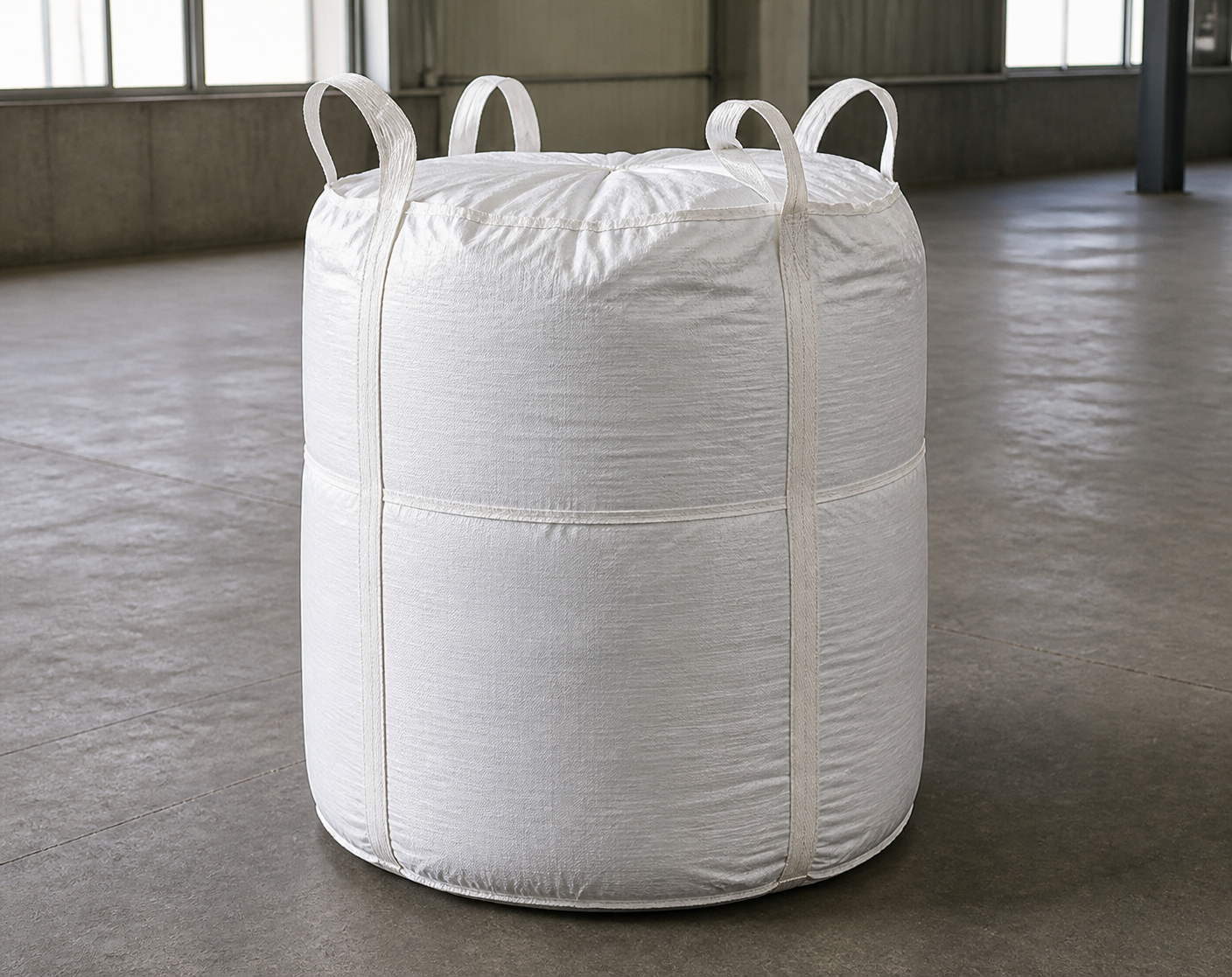
Bagged or bulk. Bags comply with GB 9774 (moisture-resistant) with net content per JJF 1070; other forms by agreement. Transport and store types and grades separately – do not mix. Protect from rain, damp, bag damage and dust; store bulk in sealed weatherproof silos and keep bags dry, off the floor and away from walls. Shelf life is from the production date per the label / COA; do not use expired product directly – retest, confirm, then decide.
Related Products
Dry Mix Mortar Premix
View RangeTile Adhesive C3
View ProductLow-Shrinkage UHPC Premix
View ProductAirport Runway Repair Material
View ProductWhite Anti-Cracking GGBFS CSA Cement 62.5
View ProductCSA Cement
View ProductRelated Solutions
Self-Leveling Compound Solution
View SolutionShrinkage Compensation
View SolutionCrack Control and Waterproof Mortar
View SolutionSetting Time Control
View SolutionFAQ
What is the difference between Type I and Type II?
Type I is for 5-25 mm thin-to-medium leveling, wearing courses and approved decorative floors; Type II is for 25-150 mm thick leveling and monolithic thick floors, and requires verification of structural load and substrate.
What is the difference between Grade R and Grade H?
Grade R (rapid) emphasises early strength and faster opening for tight schedules; Grade H (high-strength) emphasises high ultimate strength and load capacity for higher design strength.
Can I order by “C40” alone?
No. Confirm at least the type, R / H grade, compressive grade, Type-I flexural grade, colour, thickness, pumping method, opening time, surface treatment and any special environment. The full designation is, for example, SL-I-R-C25-F4.
Request Self-Leveling Compound Information
Send us your floor use, thickness, area, required strength and opening time, substrate condition and any decorative or surface-system needs. We will suggest a suitable type, grade and designation with the datasheet for sample discussion and testing.
Send Your InquiryMechanism Explanation
The self-leveling compound is built on the high-belite sulphoaluminate binder series. The binder controls early hydration and volume change while functional regulating components and multi-graded aggregate keep the mix flowable, so the material self-levels yet resists cracking. Final floor performance depends on substrate strength and stability, the matched primer, water metering, mixing and the working window, de-airing, curing and any surface system. Adding water to chase flow raises the effective water-to-powder ratio and undermines strength, shrinkage control and abrasion resistance, so water is set by the grade data and method statement, not by eye.
Additional FAQ
Can it be used outdoors or under prolonged water?
Not directly. Direct outdoor exposure, freeze-thaw, rain / snow or strong UV, and prolonged immersion or special media, require project verification and added surface protection or a specially designed system. Confirm the exposure and add the matched topcoat before use.
What information should I provide before requesting samples?
Please send the floor use and expected loads, thickness, area, required strength and opening time, substrate type and condition, colour or decorative requirement, pumping method and destination market.