
Airport Runway Repair Material
Rapid Runway and Pavement Repair Mortar with High Early Strength and F150 Freeze Resistance
A factory-produced cementitious dry premix for rapid repair of potholes, spalls, broken corners and joint-edge damage on concrete runways, taxiways and aprons, with high early strength, strong bond and low shrinkage in Type D (1 h) and Type P (1.5 h).
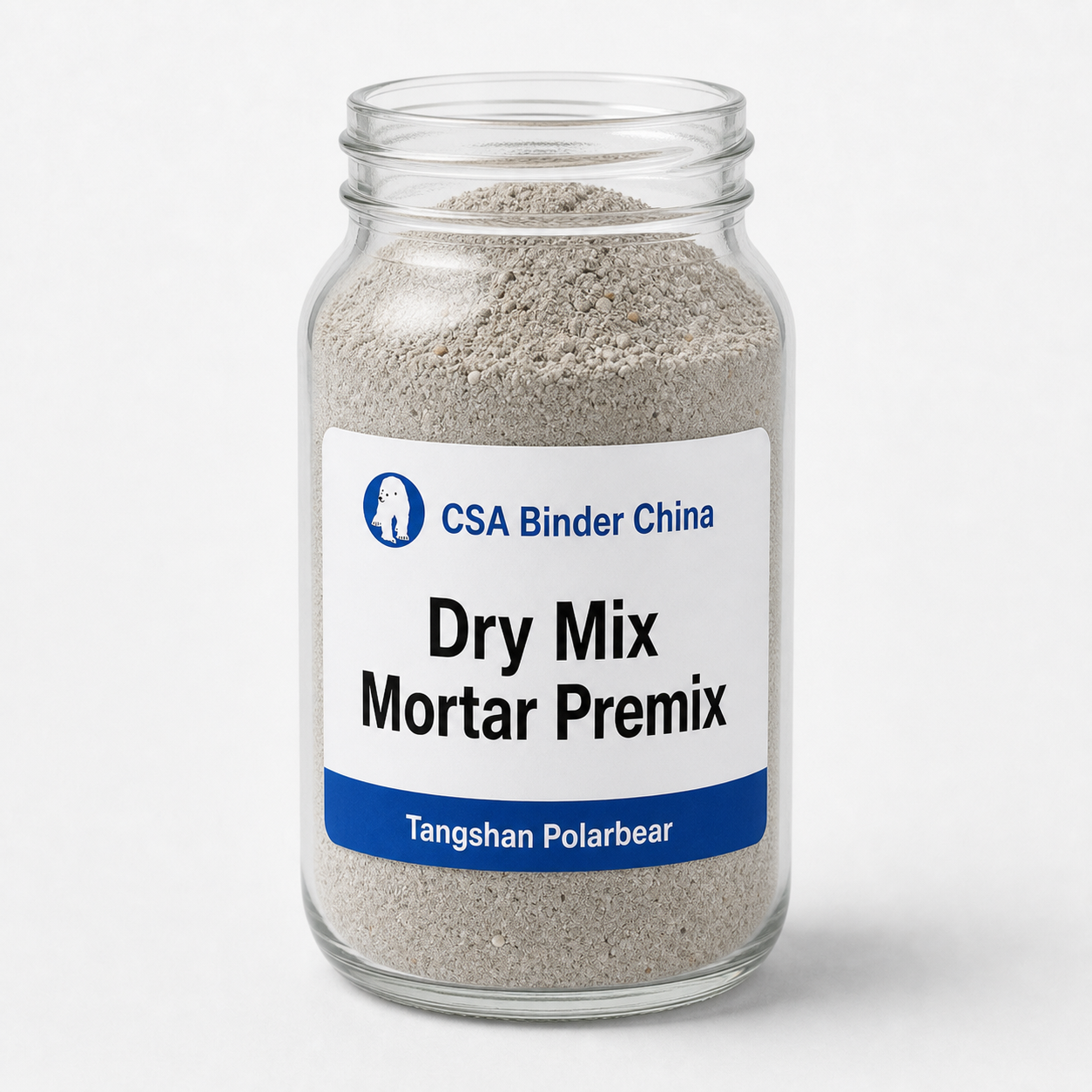
Product Positioning
- Rapid cementitious pavement repair premix
- Type D 1 h / Type P 1.5 h early strength
- High flexural strength, strong bond
- F150 freeze resistance, low chloride
Product Overview
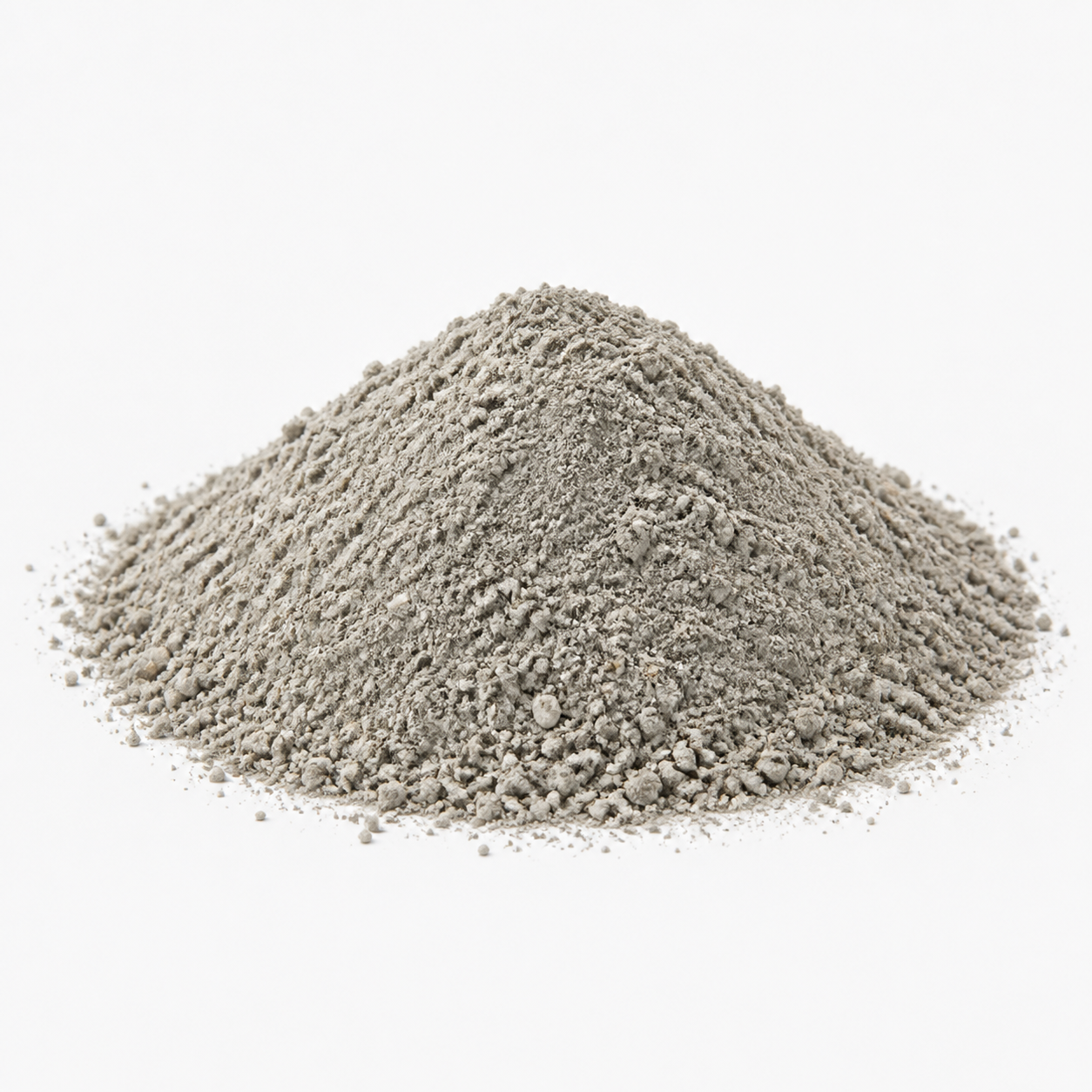
Quick answer: Airport Runway & Pavement Repair Material is a factory-produced cementitious dry premix based on anti-cracking rapid-hardening belite calcium sulphoaluminate cement, polymer, water-reducing / set-regulating / defoaming additives and graded dry sand. It is used for rapid repair of potholes, spalls, broken corners and joint-edge damage on concrete runways, taxiways and aprons. Two grades: Type D (rapid, 1 h early-strength control) and Type P (normal, 1.5 h). Guaranteed values (Q/TBJX 36-2025): compression ≥40 MPa at 1 h (Type D) or 1.5 h (Type P) and ≥60 / ≥70 MPa at 1 d / 28 d; flexure ≥6.0 MPa early and ≥10.0 / ≥12.0 MPa at 1 d / 28 d; bond ≥1.5 MPa at 1.5 h; 28-day shrinkage ≤0.050%; freeze resistance ≥F150; chloride ≤0.06%. Strength values are material properties under specified test conditions – actual return to service is set by on-site verification and operating approval, not a fixed reopening time.
Type D targets the shortest early-strength window for small areas, short closures and continuous work; Type P gives early strength with a wider placement window for larger areas and complex edges. The two types have different early-strength control ages and shall not be accepted interchangeably. With technical review, the material also supports localised repair of major roads, bridge decks, hydraulic facilities and concrete structures.
Category benchmark: comparable rapid patch repair mortars typically publish early compressive strength of about 8-38 MPa within 1-3 h; Type D specifies ≥40 MPa at 1 h under the Chinese test method, together with early bond, low shrinkage, F150 freeze resistance and low chloride. Strength, shrinkage and bond from different specimens, curing regimes or ASTM / EN / Chinese methods cannot be directly ranked.
Key Features
High early strength
Type D reaches ≥40 MPa compression at 1 h and Type P at 1.5 h, enabling repair within very short closure windows.
High ultimate strength
≥70 MPa compression and ≥12 MPa flexure at 28 days for load, impact and edge integrity on trafficked pavements.
Strong early bond
Bond to reference concrete ≥1.5 MPa at 1.5 h and ≥2.0 MPa at 1 d / 28 d, reducing debonding risk at the repair interface.
Low shrinkage
28-day drying shrinkage ≤0.050% to limit early cracking and debonding of the patch.
Freeze and chloride durability
Freeze resistance ≥F150 and chloride ≤0.06% for durable repair of reinforced concrete pavements.
Type D / Type P selection
Choose Type D for short-window localised repair and Type P for larger areas and complex logistics; select by defect, geometry, closure and an approved trial.
Typical Applications
Runway Pothole / Spall Repair
Taxiway and Apron Edge Repair
Road and Bridge Rapid Repair
Crater / Deep Repair (Aggregate Extension)
Emergency Airfield Repair
Concrete Structure Localised Repair
Guaranteed Performance
Guaranteed under Q/TBJX 36-2025. Where a contract, current standard or approved document is stricter, the strictest requirement governs.
| Property | Age | Type D | Type P |
|---|---|---|---|
| Initial setting | – | ≥20 min | ≥20 min |
| Compression | 1 h / 1.5 h | ≥40.0 MPa (1 h) | ≥40.0 MPa (1.5 h) |
| Compression | 1 d / 28 d | ≥60.0 / ≥70.0 MPa | ≥60.0 / ≥70.0 MPa |
| Flexure | 1 h / 1.5 h | ≥6.0 MPa (1 h) | ≥6.0 MPa (1.5 h) |
| Flexure | 1 d / 28 d | ≥10.0 / ≥12.0 MPa | ≥10.0 / ≥12.0 MPa |
| Bond to reference concrete | 1.5 h / 1 d / 28 d | ≥1.5 / ≥2.0 / ≥2.0 MPa | ≥1.5 / ≥2.0 / ≥2.0 MPa |
| Drying shrinkage | 28 d | ≤0.050% | ≤0.050% |
| Freeze resistance | Grade | ≥F150 | ≥F150 |
| Chloride (by binder mass) | – | ≤0.06% | ≤0.06% |
Test basis: setting and bond per JT/T 1211.1; compression and flexure per GB/T 17671-2021; shrinkage / chloride per JC/T 2381-2016 / GB/T 176-2025; freeze resistance per JGJ/T 70. Do not derive a fixed reopening time from laboratory strength alone.
Typical Measured Data
Typical results from production trials; they come from different reports, mixes and specimens, are not directly comparable and do not replace batch certificates.
| Data set | Property | Age | Measured |
|---|---|---|---|
| Production trial | Compression | 1 h / 1 d / 7 d | 40.0 / 64.2 / 68.1 MPa |
| Production trial | Flexure | 1 h / 1 d / 7 d | 10.5 / 14.1 / 15.0 MPa |
| Production trial | Tensile bond | Reported age | 2.62 MPa |
| 30% aggregate crater | Compression / Flexure | 1 h / 28 d | 40.0 / 72.0 ; 4.7 / 7.6 MPa |
Aggregate-extended flexure is a separate system from the neat-mortar schedule. International qualification data (for example ASTM C928, EN 1504-3) is available on request for target-market projects; do not claim cross-standard conformity or superiority without same-method third-party reports.
Directions for Use
- Water / powder is about 0.11 with a site flow of 320-380 mm; normal ambient 5-35 °C; working time about 15 min at standard temperature and shorter in heat or wind.
- Forced mixing only – no hand mixing, retempering or unapproved additions; use clean potable water and the metered ratio.
- Prepare a sound, clean substrate free of fuel, grease, rubber and chemical contamination; do not place on active cracks, settlement, voiding or inadequate support.
- Place continuously, de-air, finish and restore surface texture to avoid cold joints; cover and cure immediately, protecting from sun, wind, rapid cooling, rain and early freezing.
- Do not reopen by clock time alone – final return to service is determined by on-site verification and the project technical and operating authorities.
- Enforce foreign-object-debris (FOD) control airside; use dust mask, goggles and gloves; do not discharge slurry to drains, water or soil.
Not directly suitable (without specialist review): asphalt, steel, timber, weak or continuously leaking substrates; substrates with fuel, grease, rubber or chemical contamination that cannot be removed; active cracks, settlement, voiding or inadequate support; large overlays, feather edges or unknown-depth potholes; and uncontrolled freezing, heat, wind, rain or airfield-contamination risk.
Packaging and Storage
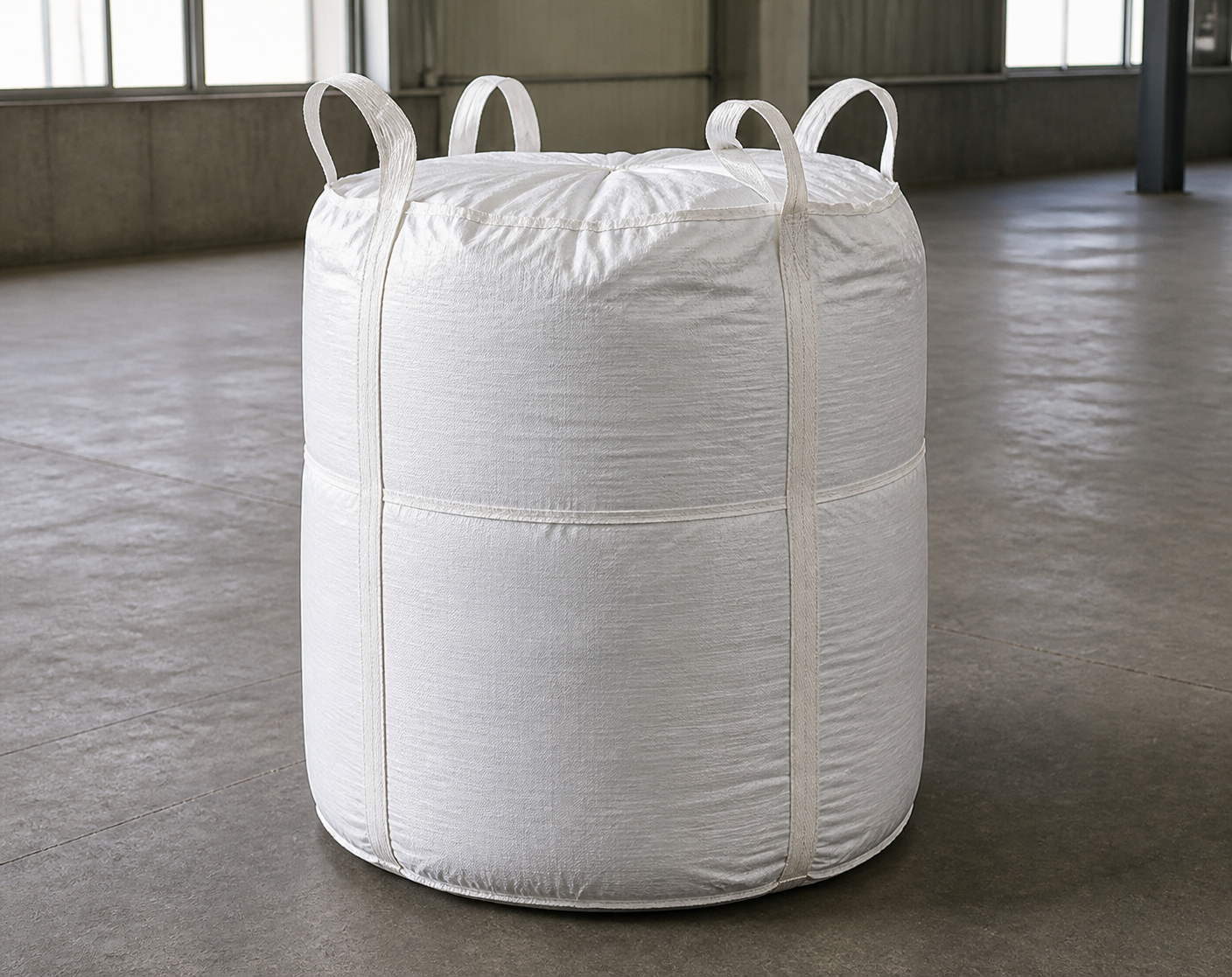
Supplied in moisture-resistant packaging complying with GB/T 9774-2020 or an approved equivalent; net content per JJF 1070 and the product label. Available in 25 kg moisture-resistant bags and 1000 kg jumbo (bulk) bags; the actual pack size is stated on the bag, contract and delivery documents. Transport and store protected from moisture, rain and bag damage; segregate models and batches with clear labels, kept dry and ventilated, off the floor and away from walls. Shelf life is 3 months under normal storage per Q/TBJX 36-2025; expired or damp product must be retested and pass before use.
Related Products
Dry Mix Mortar Premix
View RangeTile Adhesive C3
View ProductAnti-Crack Self-Leveling Compound
View ProductLow-Shrinkage UHPC Premix
View ProductRapid Hardening CSA Cement (HB-CFR)
View ProductCSA Cement
View ProductRelated Solutions
Fast Return to Service Repair
View SolutionFast Setting Repair Mortar
View SolutionSetting Time Control
View SolutionCrack Control and Waterproof Mortar
View SolutionFAQ
What is the difference between Type D and Type P?
Type D (rapid) is controlled at 1 h early strength for the shortest closure windows and small areas; Type P (normal) is controlled at 1.5 h with a wider placement window for larger areas and complex edges. They have different control ages and must not be accepted against each other’s timing.
Does ≥40 MPa at 1 h mean I can reopen in 1 hour?
No. Strength values are material properties under specified test conditions. Actual return to service is determined by on-site verification and operating approval by the project technical and operating authorities, and does not imply a fixed reopening time after placement.
Can it be used on asphalt or contaminated pavement?
No. It is not directly suitable for asphalt, steel, timber, weak or continuously leaking substrates, or substrates with fuel, grease, rubber or chemical contamination that cannot be removed. Deep or crater repair uses the aggregate extension and requires project design.
Request Airport Runway Repair Material Information
Send us the project and location, defect type, area and depth, substrate strength, closure window, environment and design requirements for strength, bond, freeze, chloride and skid. We will suggest Type D or Type P with the datasheet for an approved trial.
Send Your InquiryMechanism Explanation
Rapid pavement repair depends on a binder that develops strength in minutes without sacrificing bond or durability. The anti-cracking rapid-hardening belite calcium sulphoaluminate cement hydrates quickly to high early compression and flexure, while polymer and set-regulating additives control working time, interface bond and shrinkage. High flexural strength and strong early bond matter more than compression alone for thin patches under wheel and impact load, because the patch fails at the interface or in bending before it is crushed. Because reopening is a load and safety decision, it is governed by on-site verification and operating approval, not by laboratory strength or elapsed time.
Additional FAQ
Can you provide ASTM C928 or EN 1504-3 data?
International qualification data (for example ASTM C928 or EN 1504-3) is available on request for target-market projects. We do not claim conformity to ASTM C928 / EN 1504-3 R4 or superiority over competitors without same-method third-party reports; guaranteed values apply to the named model, approved water, method, age and curing.
What information should I provide before requesting samples?
Please send the project and airport / road name and repair location; the defect type, photos, area, minimum and maximum depth, substrate strength and age; the date, environment, closure window and utilities; the design and acceptance requirements; and your equipment, batch capacity, curing, early-testing and FOD plan.