
Low-Shrinkage UHPC Premix
Corrosion-Resistant Ultra-High Performance Concrete Dry-Mix (Fiber Class II, PF-UHPC-II)
A fiber-containing Class II UHPC premix based on high-belite calcium sulphoaluminate cement, delivering high strength and toughness, low permeability and controlled shrinkage for bridges, ports, precast and strengthening work.
Product Positioning
- Fiber-containing Class II UHPC premix
- High strength and toughness (from UC120)
- Low shrinkage, high chloride durability
- Fibers packed separately
Product Overview
Quick answer: Low-Shrinkage Corrosion-Resistant UHPC Premix is a fiber-containing Class II UHPC dry-mix (PF-UHPC-II) based on high-belite calcium sulphoaluminate cement and/or high-free-lime belite sulphoaluminate clinker, slag, gypsum, ultra-fine mineral powder and continuously graded fine aggregate, used together with metallic or non-metallic fibers. With the specified water, forced mixing, forming and curing it produces UHPC with high strength, high toughness, low permeability and controlled shrinkage. Recommended control values (T/CBMF 96-2020 / T/CCPA 20-2020): 28-day compression ≥120 MPa (UC120; optimised mixes 124-140), flexure ≥18.0 MPa, axial tension ≥5.0 MPa, drying shrinkage ≤300 ×10-6 under natural curing, and chloride diffusion ≤0.06 ×10⁻¹² m2/s. Fibers are packed separately; the final designation and the strength, tensile, permeability and workability grades follow the contract and certificate of conformity.
Multi-scale densification (DSP-based continuous grading and low water-to-binder ratio) reduces capillary and connected porosity, while the high-belite sulphoaluminate system and functional components control early hydration and drying shrinkage. Fibers bridge micro-cracks and carry tension after cracking, so tensile, flexural and fracture behaviour depend strongly on the fiber type, aspect ratio, dosage, orientation and dispersion – compression alone does not measure toughness.
“Low shrinkage” is not “zero” – reinforcement, bays and curing are still needed. Corrosion resistance comes from low permeability and crack control that slow chloride, sulphate and moisture ingress, and must be verified by the project media and exposure; it is not maintenance-free against all media forever. Select and manage the product as a fiber-containing Class II UHPC premix.
Key Features
High strength
Default grade ≥UC120 (28-day compression ≥120 MPa); optimised mixes reach 124-140 MPa. Higher grades available by contract.
Fiber toughening
Fibers bridge micro-cracks and carry tension post-cracking; flexure and axial tension are set by the fiber system and member loading, not by compression alone.
Low shrinkage
Low water-to-binder ratio, optimised hydration and grading control volume change; natural-curing drying shrinkage targeted ≤300 ×10-6.
High durability
A dense matrix slows chloride ingress, suited to marine, port, bridge and protection / strengthening use; chloride diffusion ≤0.06 ×10⁻¹² m2/s by grade.
Placement fit
High-flow, low-viscosity design for thin walls, complex moulds and steel-UHPC composites; spread ≥600 mm, controlling flow path and fiber orientation.
Series by need
White (W), grey (G), low-heat (LH) and corrosion-enhanced (CR) series for appearance, mass pours, and salt-spray / deicing exposure.
Typical Applications
Bridges and Steel-UHPC Decks
Precast and Wet Joints
Ports and Salt-Spray Zones
Strengthening and Protection
Thin Panels and Decorative Elements
Blast and Impact Resistance
Typical Technical Data
Recommended delivery control values per T/CBMF 96-2020 / T/CCPA 20-2020. Distinguish standard requirement, company control value and typical measured value; typical ranges are not an unconditional batch guarantee.
| Property | Recommended value | Typical range |
|---|---|---|
| 28 d compression (100 mm cube) | ≥120 (UC120) | 124-140 MPa |
| 28 d flexure | ≥18.0 | 19.5-26.5 MPa |
| Axial tension | ≥5.0 or by tensile grade | 5.4-6.6; optimised ≈9.0 MPa |
| Elastic modulus | ≥40 suggested | 48-70 GPa |
| Drying shrinkage | ≤300 ×10-6 | 230-280 ×10-6 |
| Chloride diffusion | ≤0.06 ×10⁻¹² m2/s | 0.02-0.04 |
| Spread (workability) | ≥600 mm | 760-890 mm |
Stated performance assumes the confirmed mix and matched fibers (no equal-mass substitution), water metering and mixing within the method statement, and specimen forming, curing and testing as contracted. Typical ranges come from different binder systems and colours and do not extend automatically to all grades.
Series and Selection
Recommended names for selection; they do not replace the standard designation. The official grade, colour code and performance grades must be consistent across the label, contract, certificate and test report.
| Series | Colour / hydration | Main use | Selection focus |
|---|---|---|---|
| UHPC-II·W | White / light; appearance-first | Panels, landscape, thin walls | Colour, whiteness, bubbles, mould fit |
| UHPC-II·G | Grey; balanced | Bridges, joints, precast, strengthening | Workability, dispersion, strength, shrinkage |
| UHPC-II·LH | Low-heat; controlled rise | Steel-UHPC decks, mass / continuous pours | Adiabatic rise, window, thermal curing |
| UHPC-II·CR | Corrosion-enhanced | Ports, wharves, salt spray, deicing | Chloride diffusion, crack control, exposure |
Reference starting mix: water / premix mass ratio 0.085; fiber about 5%-11% of premix mass. These are trial starting points only, to be fixed by fiber type, target grade, temperature, plant and member verification. Never add water by experience on site.
Directions for Use
- Use a forced mixer with sufficient power and shear and calibrated weighing; keep mixer, hoppers and transport clean and pre-wetted but without free water; complete a plant trial, mould-sealing, flow-path, venting and curing rehearsal.
- Meter all water per the supplier; start the mixer, add the specified water and matched admixtures, then add the premix evenly and mix until fully wetted and flowing with no dry clumps.
- Add fibers gradually and evenly to avoid “fiber balls”, keeping the mixer running; mix until fibers are dispersed and uniform – at least about 5 min, governed by the trial-proven procedure.
- Discharge multi-point with short flow and thin continuous placing; use light assisted vibration or per trial – over-vibration segregates fiber and aggregate.
- Cover and moist-cure at once; set any thermal regime by trial with no ad-hoc rate change; ideally place within about 60 min of mixing.
- No retempering after workability is lost; no unapproved water reducer, retarder, cement, sand or other powders; do not use caked or moisture-damaged material.
Not directly suitable (without special review): replacing designed concrete in load-bearing members without structural review; strong acid / alkali, high-temperature or special corrosive media before media testing; changing water, fiber dosage or admixtures on site; free-fall mixers that cannot disperse fibers; and winter, hot or windy conditions without a temperature / moisture / curing plan.
Packaging and Storage
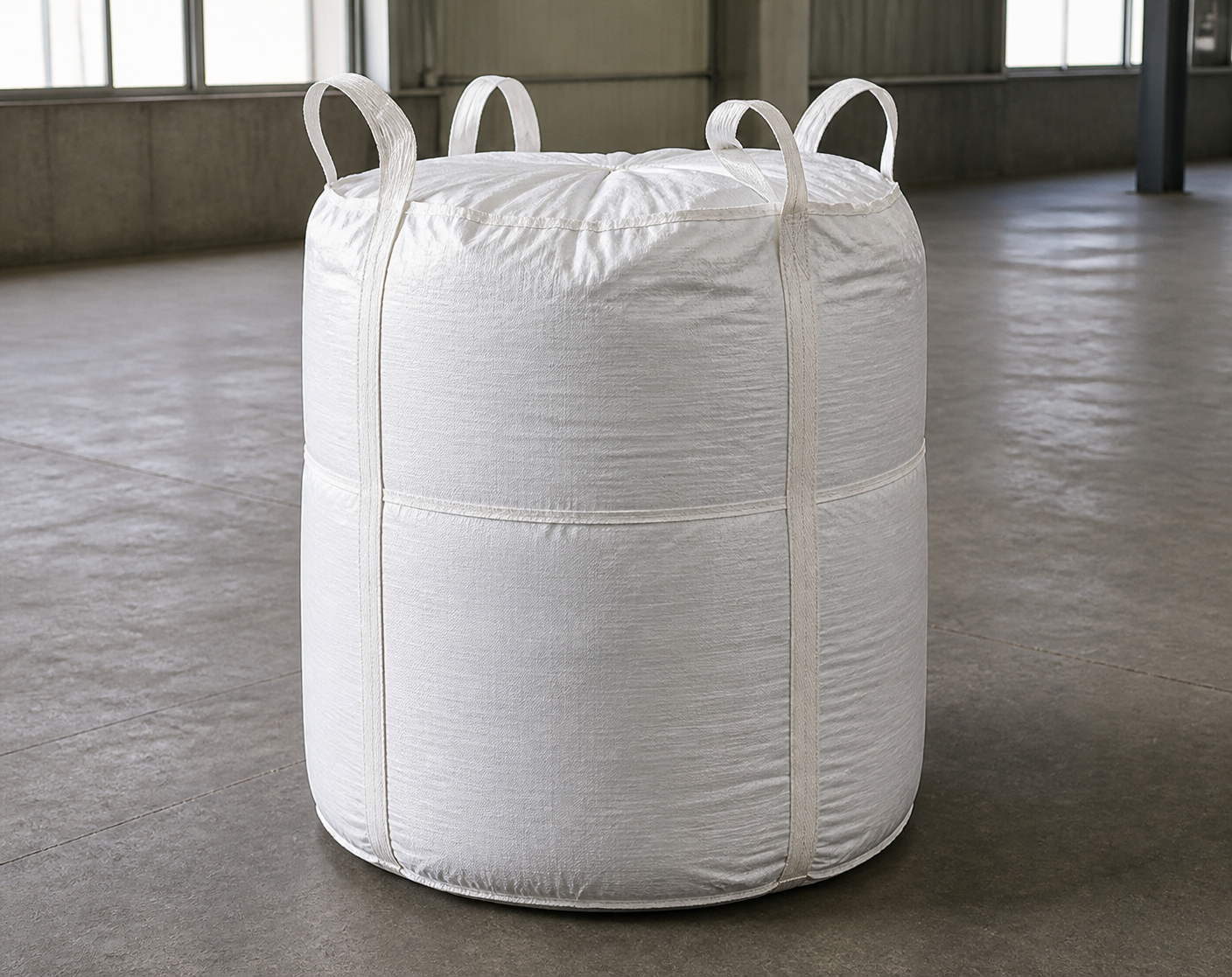
Supplied in moisture-resistant bags (commonly 25 kg) or 1000 kg jumbo bags, with fibers and any admixtures sealed and packed separately; net content is at least 99% of the marked mass per bag. Transport protected from rain, damp, sun and damage, and do not mix grades or batches. Store indoors, ventilated, cool, dry and off the ground, away from fire and water, and keep steel fiber dry and rust-free. Shelf life of the premix is 90 days from production; beyond 90 days, retest before use.
Related Products
Dry Mix Mortar Premix
View RangeTile Adhesive C3
View ProductAnti-Crack Self-Leveling Compound
View ProductAirport Runway Repair Material
View ProductWhite Anti-Cracking GGBFS CSA Cement 62.5
View ProductCSA Cement
View ProductRelated Solutions
Non-Shrink Grout
View SolutionShrinkage Compensation
View SolutionCrack Control and Waterproof Mortar
View SolutionFast Return to Service Repair
View SolutionFAQ
Are the fibers included with the premix?
The product is a fiber-containing Class II UHPC premix (PF-UHPC-II), but fibers are sealed and packed separately by type, size and mass. Check the fiber material, size and mass, and keep steel fiber free of rust and oil before mixing.
Which series should I use for a marine or port structure?
The corrosion-enhanced UHPC-II·CR series is aimed at ports, wharves, salt spray and deicing exposure. First fix the shrinkage test regime, chloride-diffusion grade, allowable crack width and curing method, then set the compressive grade – do not use a higher compressive grade as a substitute for durability design.
Can I adjust the water or fibers on site?
No. Changing water, fiber dosage, admixtures or adding other powders on site is not permitted, and there is no retempering once workability is lost. Any change of key material, fiber, plant, temperature or curing triggers a new trial or first-article review.
Request UHPC Premix Information
Send us your member type and size, target compression / tension / permeability / workability grades, exposure media, colour, fiber preference and curing method. We will suggest a suitable series and designation with the datasheet for trial mix and first-article verification.
Send Your InquiryMechanism Explanation
Ultra-high performance comes from packing and chemistry together. Continuous DSP-based grading and a low water-to-binder ratio cut capillary porosity and connected pores, so the matrix is dense, strong and low-permeability. The high-belite calcium sulphoaluminate binder and functional components control early hydration and drying shrinkage, while fibers bridge micro-cracks and carry tension after the matrix cracks. Because compression alone does not measure toughness or durability, the tensile grade, chloride-diffusion grade, crack width and curing method must be fixed by design; discharge pattern and flow path also govern fiber orientation and therefore the real load response of the member.
Additional FAQ
Does a conforming premix guarantee a conforming member?
No. The premix is tested to T/CBMF 96-2020 / T/CCPA 20-2020 and the contract, but the site UHPC and the members must also meet the design, the acceptance standard and the project conditions. A conforming premix does not automatically mean a conforming member; keep one-to-one traceability among premix, fiber, specimens, member locations and reports.
What information should I provide before requesting samples?
Please send the member type and size, rebar / studs, season, plant and haul, required grades (compression, tension, permeability, workability, shrinkage), exposure media, colour, fiber preference and whether natural or thermal curing is used.