
CSA Binder
Calcium Sulfoaluminate-Based Binder for Dry Mix Mortar Formulation
CSA Binder is used as a technical binder platform for fast setting, early strength development, shrinkage control and specialty dry mix mortar systems.
Product Positioning
- CSA-based binder platform
- Dry mix mortar formulation support
- Fast setting and early strength target
- Application-focused technical review
Product Overview
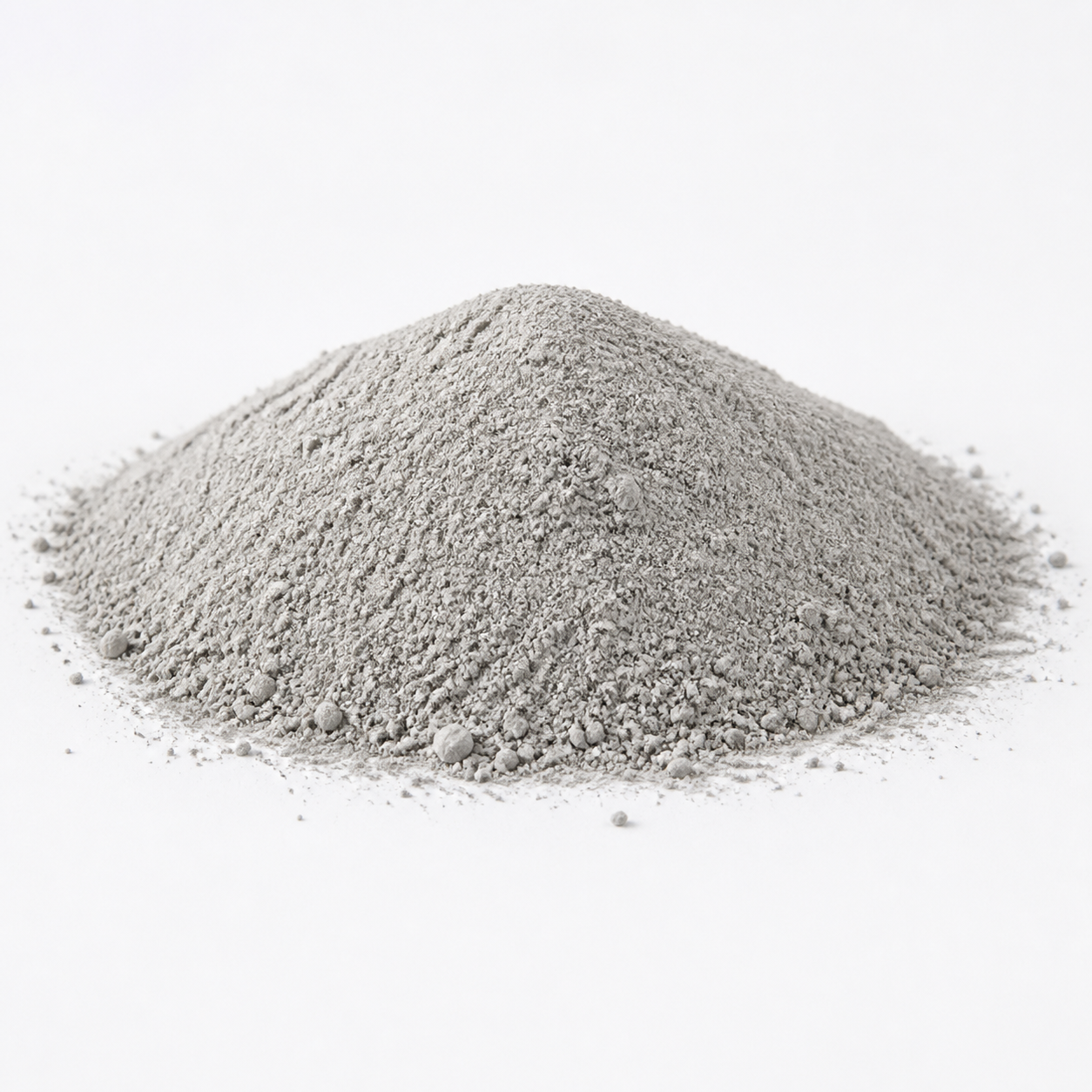
Quick answer: CSA Binder (calcium sulfoaluminate binder) is ground CSA clinker whose active phase is ye’elimite, the reactive component behind fast setting and early strength. It is not a finished cement; it is evaluated as a formulation component with a calcium sulphate source or Portland cement. Typical data (Grade 72.5 / Type III): initial set ≥10 min, 1-day compressive strength ≥50 MPa, Blaine fineness ≥450 m2/kg, Al2O3 ≥33%. It supports rapid repair mortar, self-leveling compound, non-shrink grout and tile adhesive.
CSA Binder is a cementitious binder material used for dry mix mortar formulation. It is not a finished mortar product by itself and should be evaluated as part of a complete formulation system.
It can support repair mortar, self-leveling compound, non-shrink grout, tile adhesive, waterproof repair mortar and other specialty mortar systems. Final performance depends on formulation design, raw materials, water amount, additives, curing condition and application method. Environmental performance depends on the complete formulation, production route, transport and verified life-cycle data; no product-specific carbon-reduction percentage is claimed here.
Key Functions
Efficient blended-binder formulation design
Fast setting support
Early strength development
Setting behavior adjustment
Low-shrinkage or shrinkage-compensated design support
Dry mix mortar formulation platform
Adjustable according to project or formulation requirements
Typical Applications
Fast Setting Repair Mortar
Self-Leveling Compound
Non-Shrink Grout
Fast Setting Tile Adhesive
Waterproof Repair Mortar
High Early Strength Dry Mix Mortar
Dry Mix Mortar Formulation
Customized Mortar Systems
Technical Specifications
Specification requirements for CSA Binder Grade 72.5 / Type III.
| Item | Specification Requirement |
|---|---|
| Product type | Calcium sulphoaluminate based hydraulic binder |
| Grade / type | 72.5 / Type III |
| Specific surface area | ≥450 m²/kg |
| Setting time | Initial ≥10 min; final ≤350 min |
| Flexural strength | 1 d ≥6.5 MPa; 3 d ≥8.5 MPa; 7 d ≥9.0 MPa |
| Compressive strength | 1 d ≥50.0 MPa; 3 d ≥65.0 MPa; 7 d ≥72.5 MPa |
| Chemical composition — Type III | SiO2 ≤10.5%; Al2O3 ≥33.0%; Fe2O3 ≤3.5%; CaO 41.0–44.5%; MgO ≤3.5%; TiO2 ≤2.0%; SO3 ≥7.5% |
| Recommended starting water-cement ratio | 0.30–0.40; confirm the final water dosage by laboratory trial mix and target flowability |
| Water for setting-time test | Use the actual standard-consistency water demand determined with the Vicat apparatus; the stopped plunger shall be 5–7 mm (6 ± 1 mm) above the base plate |
| Typical formulation routes | CSA Binder + calcium sulphate; CSA Binder + Portland cement |
Requirements are based on Q/TBJX09-2024. Specification limits are shown; batch test results are not included.
Directions for Use / Test Method Reminder
- Recommended starting water-cement ratio: 0.30–0.40.
- For standard-consistency water determination, place the mould under the Vicat apparatus, bring the plunger into contact with the paste surface and release it. The corresponding actual water dosage is accepted when the stopped plunger is 5–7 mm (6 ± 1 mm) above the base plate.
- Use that actual standard-consistency water demand for the setting-time test; do not use a fixed 0.43 water-cement ratio.
- For mortar formulation, determine final water dosage from target flowability and confirm it by laboratory trial mix.
- Consider local raw-material water demand and the effects of water reducers, retarders, polymers and other admixtures.
- Verify compatibility with Portland cement and calcium sulphate before commercial production.
Packaging and Storage
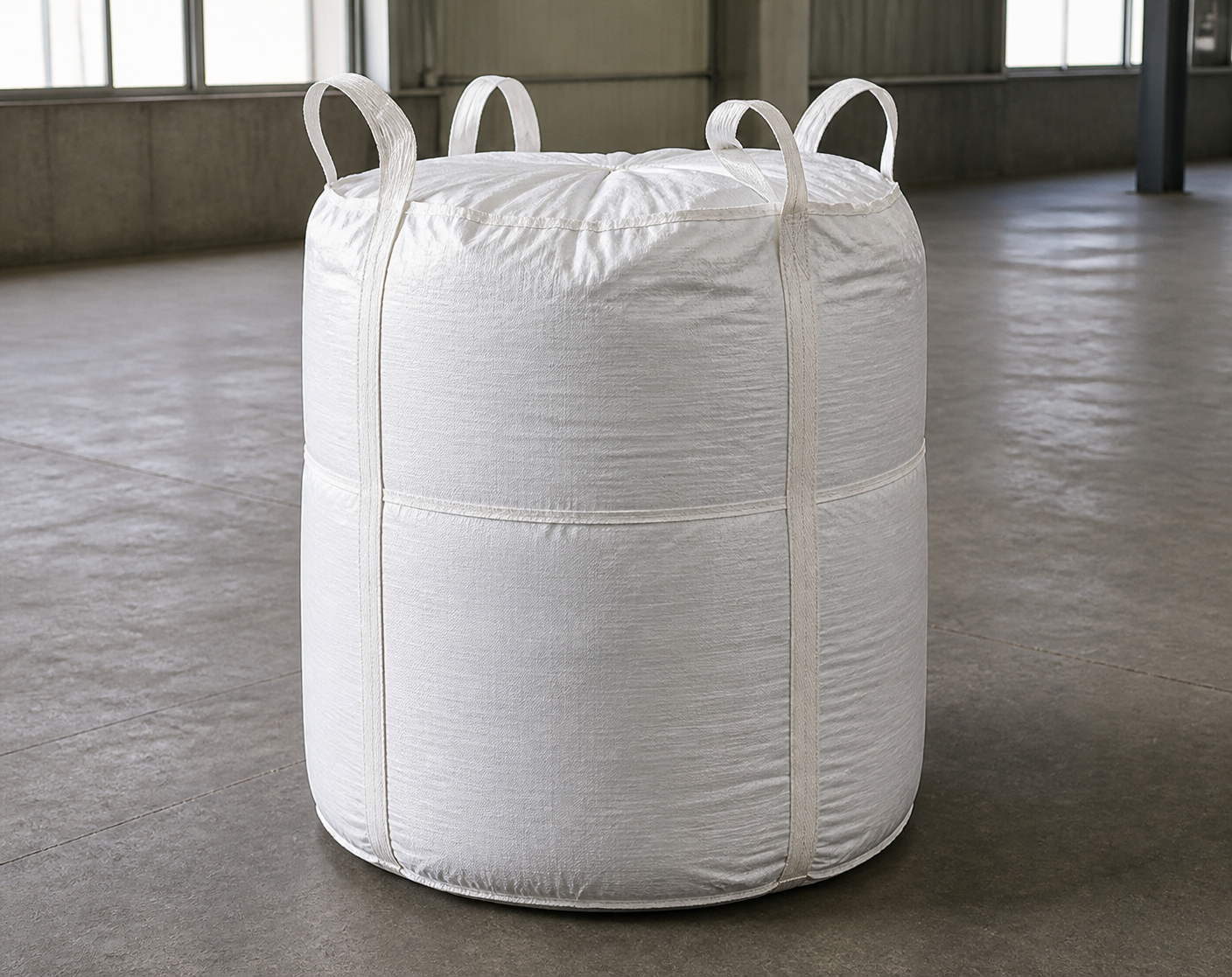
Packaging options can be discussed according to order quantity, shipping method and buyer handling requirements. Common options may include 25 kg bags and jumbo bags / bulk bags. Final packaging, palletizing, moisture protection, labeling and export documentation should be confirmed before order. Materials should be stored dry, covered and protected from moisture and rain.
Related Products
CSA Cement
View ProductCSA Expansive Agent
View ProductCalcium Sulphate B-Anhydrite
View ProductDry Mix Mortar Premix
View ProductCustomized Mortar Solution
View SolutionRelated Solutions
Fast Setting Repair Mortar Solution
View SolutionSelf-Leveling Compound Solution
View SolutionNon-Shrink Grout Solution
View SolutionSetting Time Control Solution
View SolutionProduct-Specific Questions
Is CSA Binder a finished mortar?
No. CSA Binder is a formulation component for verified cementitious systems. The complete mortar still requires selection of OPC, the sulfate source, aggregates, additives and water, followed by trial testing.
How is CSA Binder evaluated with OPC?
Begin with the current product datasheet and test the blend with the actual local OPC, anhydrite or gypsum, additives and water demand. Setting, workability, early strength and dimensional stability must be checked together.
Why must the sulfate source be verified?
The sulfate source and dosage affect ettringite formation, setting and dimensional stability. Anhydrite or gypsum selection must therefore be validated in the complete formulation rather than chosen as a fixed universal ratio.
Request CSA Binder Product Information
Send us your application, target performance requirement, local raw materials, packaging requirement and destination market. We will suggest a suitable product path for sample discussion and testing.
Send Your Inquiry